Food insecurity in the United States is heartbreaking. And we’re not pulling it out in thin air, because data claims that around 47.4 million people, or roughly 1 in 7 Americans, live in households that don’t always have reliable access to nutritious food.
But low incomes aren’t the sole reason behind this; in fact, transportation, location, and other circumstances also add up. Many neighborhoods lack stores that sell fresh, healthy options, and when they do exist, prices can be out of reach. Long work hours, caregiving, and health issues only add to the strain.
Supplemental Nutrition Assistance Program, often called food stamps or SNAP food stamps, has been serving people for more than 60 years. It was initially designed to help people afford healthier food when income, location, or life circumstances make that difficult.
However, many people still aren’t aware of the benefits and eligibility requirements that are attached to SNAP, and thus end up spending money on fake or scam resources.
What Is SNAP?
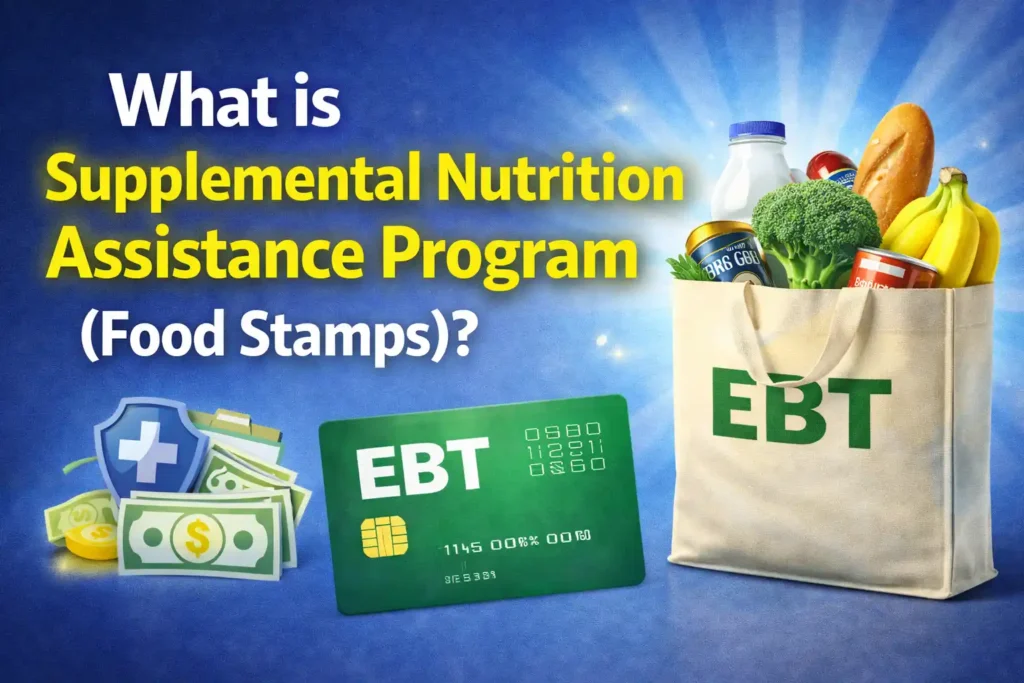
SNAP is basically an anti-hunger program that helps low-income and deserving US citizens buy their nutritional groceries such as meat, vegetables, fruits, dairy, and seeds through monthly funds available in EBT card. The official name of the program is the Supplemental Nutrition Assistance Program, but it used to be called just “food stamps.”
Supplemental means it’s extra help, something to add on when your own money isn’t enough.
Nutrition puts the focus on buying healthier food, not ready-to-eat.
Assistance is the support part, coming from the government.
Program makes it clear this is an official setup run by rules.
For decades, Americans used paper coupons, which is where the term food stamps came from. In 2008, the name was officially changed to SNAP and paper stamps were replaced with electronic benefit cards (EBT). Even today, many people still say snap food stamps, especially when searching online or talking with caseworkers.
What makes the snap program different from other forms of aid is its purpose. SNAP is not emergency relief and it is not limited to people who are completely unemployed. It is designed to support households during unstable periods, such as job loss, reduced work hours, rising food prices, medical issues, or fixed incomes that no longer stretch far enough.
How SNAP Works in Practice?
Once you’re approved, SNAP feels pretty routine for most people. The “snap benefits” get loaded onto your EBT card each month, usually on a set date based on your case number or last name. That card works like a debit card, but only for approved food items at the store.
“What is snap benefit” in everyday terms? It’s the dollar amount calculated for your household. The USDA figures it out by looking at your net income after deductions like rent, utilities, child care, or medical costs for seniors and disabled folks. Most households get less than the maximum because the formula assumes you contribute about 30 percent of your own money toward food.
Benefits post on the same day every month in many states, but the exact schedule varies. If your date falls on a weekend or holiday, it might come early. The card balance rolls over if you don’t spend it all, but new amounts replace old ones at the start of the next month.
Your ebt snap benefits aren’t cash you can withdraw. You can’t use them for non-food items, bills, or anything else. SNAP also isn’t automatic forever. You have to recertify periodically, usually every 6 to 12 months for working households or longer for seniors and disabled. Miss that, and benefits stop until you update your info.
What You Can and Can’t Buy through SNAP?
The SNAP money can only be spent in groceries, which is already calculated to help cover a basic, nutritious diet based on the USDA’s Thrifty Food Plan.
Here are the maximum amounts for fiscal year 2026 (October 2025 to September 2026, for the 48 contiguous states and DC).
Household Size
Maximum Monthly SNAP Benefit
1 person
$298
2 people
$546
3 people
$785
4 people
$994
Amounts are higher in Alaska, Hawaii, Guam, and the Virgin Islands. Kids, seniors, or disabled household members often push you closer to the max because of deductions.
Here are the groceries and nutrition food you can buy through SNAP:
Fruits and vegetables (fresh, frozen, canned)
Meats, fish
Dairy products
Breads
Cereals
Rice
Pasta
Lentils
Grains
Snacks like chips or cookies
Seeds or plants to grow your own food
But you can’t buy
Alcohol or tobacco
Hot prepared foods like rotisserie chicken or deli sandwiches
Vitamins, medicines, or supplements
Non-food items like soap, paper products, or pet food
Who is Eligible for SNAP?
Here are the monthly income limits for fiscal year 2026 (October 2025 to September 2026, for the 48 contiguous states and DC). These get adjusted each year for cost of living.
Household Size
Gross Income Limit (130% FPL)
Net Income Limit (100% FPL)
1 person
$1,696
$1,305
2 people
$2,292
$1,763
3 people
$2,888
$2,221
4 people
$3,483
$2,680
Each additional
+$596
+$458
SNAP benefits depend on four main things:
1. Household Size
SNAP defines a household as people who live together and buy and prepare food together. Supposedly, if roommates split groceries and cook separately, they might count as separate households, even if they share a lease.
Besides, adult children living with parents usually count as one household unless they buy and cook their own food more than half the time.
This comes up a lot in real cases. On Reddit, people share stories like adult kids getting denied because the system lumped them in with parents’ income, or roommates qualifying separately once they proved separate food budgets. The key is how food is handled day-to-day, not blood relations or the address alone. Caseworkers ask about this in interviews, so be ready to explain your setup clearly.
2. Income
Eligibility starts with income tests. Gross income (before taxes and deductions) usually needs to be at or below 130 percent of the poverty level for most households. Net income (after allowable deductions) has to be at or below 100 percent.
A lot of initial denials happen because people or even screeners only look at gross income. Deductions can drop your countable net income a lot: high rent or mortgage, utility bills, child care costs, child support payments, and medical expenses over $35 a month for elderly or disabled members.
Shelter costs are uncapped in many cases, so expensive housing can actually help you qualify.
3. Assets and Resources
Not all states even have strict asset limits anymore. The federal rule is usually $3,000 in countable resources (bank accounts, cash, stocks) or $4,500 if the household has an elderly or disabled member. Cars are often excluded or only partly counted, and retirement accounts like 401(k)s don’t count at all.
A bunch of states use “broad-based categorical eligibility,” which skips the asset test completely if you’re on certain other aid or meet expanded income rules. Having money saved up or a decent car rarely disqualifies people these days in those states. The old idea that any savings kicks you off SNAP isn’t true for most places.
4. Work Requirements
It is mandatory for adults between 18 and 54 to register for work and accept suitable jobs. Whereas, able-bodied adults without dependents (ABAWDs) face a time limit: three months of benefits in three years unless they’re working or in training at least 20 hours a week.
Leniency can only be given to parents with kids under 18, pregnant people, those with disabilities (even if not on SSI yet), students meeting rules, caregivers, and people in drug/alcohol treatment.
If something changes, like higher rent or a new medical bill, report it right away. It can increase benefits or get you approved when you thought you were over the line. Plenty of people end up qualifying once the full picture, including deductions and exceptions, gets reviewed.
Is SNAP Available If You’re Not a U.S. Citizen or Resident?
Undocumented immigrants can’t get SNAP no matter what, and the USDA guidance in 2025 and 2026 strictly supports this. Qualified non-citizens can, but it’s limited: lawful permanent residents (green card holders) usually have to wait five years, unless they’re kids under 18 or have enough work history.
Refugees, asylees, parolees (like some Afghans or Ukrainians in recent years), trafficking victims, and certain Cuban/Haitian entrants often qualify right away or with shorter waits.
Mixed-status families are common though. If a parent isn’t eligible, the U.S. citizen kids still get benefits based on their own eligibility. The ineligible person just doesn’t count for the amount.
Recent federal changes in 2025 tightened things for some lawfully present groups, so check your exact status on the state site or with a caseworker.
Can College or University Students on Scholarships Get SNAP?
College students between 18 and 49 enrolled at least half-time usually can’t get SNAP on their own. That’s the student rule, and it catches a lot of people off guard. But there are solid exemptions that let many qualify anyway.
You get around the rule if you work at least 20 hours a week (paid), participate in federal work-study (even if you haven’t started the job yet), have a kid under 6 or 12 (depending on state), are in certain training programs, or have a disability.
Scholarships and grants like Pell usually don’t count as income for SNAP (they’re not cash you spend freely), but loans or cash awards might.
Can You Get SNAP If You’re Already on Another Government Program?
Yes, there’s no rule against stacking SNAP with Medicaid, SSI, SSDI, housing assistance (Section 8), unemployment, or WIC. In fact, being on some of them makes SNAP easier.
SSI recipients often get categorical eligibility in many states, skipping asset tests. Medicaid overlap is huge since millions get both. Housing subsidies count as income but get deducted from shelter costs, so it rarely hurts benefits. Unemployment counts as income but doesn’t block you.
The idea of “double dipping” gets thrown around, but SNAP is designed to work alongside other aid.
Can People in Debt or With Bad Credit Get SNAP?
SNAP doesn’t check your credit score at all. Bad credit, credit card debt, student loans, or bankruptcy won’t stop you from qualifying. The program looks at current income and assets, not credit history.
Child support arrears are different in some states. If you owe back support, a few places can disqualify you until you pay up or set a plan, but most just offset part of your benefits to collect the debt. It doesn’t kick you off completely. Financial hardship from debt often strengthens your case because it shows need.
Can Seniors Living With Family Qualify?
Seniors (60+) or disabled people can often apply separately, even if living with family. They get their own household for SNAP if they buy and prepare most food apart, or states allow separate apps to avoid lumping in younger relatives’ income.
Adult kids living with aging parents, and if the senior buys/cooks separately, they qualify on their fixed income alone. Whereas, under 22 living with parents have to be in the same household.
How to Apply for Food Stamps
Every state has a portal (find yours at fns.usda.gov/snap/state-directory or benefits.gov).
Steps people follow:
Start the application online, by phone, or in person at the local “food stamp office” (now usually called human services or DSS).
Fill in basics: household info, income, expenses, benefits you’re on.
Upload or bring docs: ID, Social Security numbers, pay stubs, rent proof, utility bills, child care receipts, medical bills if applicable.
Do the interview on the phone
Wait for decision: 30 days normal, but 7 days for expedited if you have very little money or income.
Do All Supermarkets Accept EBT?
There are more than 260,000 authorized retailers across the country in 2026 that accept EBT, so most everyday shopping spots are covered. Stores include:
Walmart
Target
ALDI
Kroger (and its brands like Ralphs, Fred Meyer, King Soopers)
Albertsons/Safeway/Vons
Publix
H-E-B
Food Lion
Stop & Shop
Whole Foods (yes, through Amazon)
Costco (with a membership, for eligible food items)
Convenience stores, dollar stores, and many independent grocers take it too, especially in lower-income areas. Farmers markets are increasingly signed up, often with bonus matching programs.
FAQs
Does SNAP cover instant meals?
Yes, some of them. Foods like ramen noodles, instant oatmeal, frozen meals you heat at home, or cold sandwiches are usually allowed because they aren’t hot when you buy them. What SNAP doesn’t cover is hot food that’s ready to eat right away, like rotisserie chicken, hot deli items, or pizza made in the store.
Am I eligible for SNAP if I’m living with my boyfriend or girlfriend?
You can still qualify. What matters is whether you buy and cook food together most of the time. If you share groceries and meals, SNAP usually counts you as one household. If you keep food totally separate, meaning separate shopping and cooking, you may be able to apply as two households. Your relationship status by itself doesn’t decide this.
Are single mothers eligible for SNAP?
Very often, yes. Having children in the home usually helps with eligibility. Income limits are higher, child care costs can be counted, and some work requirements don’t apply. Many single moms qualify even if they’re working.
Can SNAP benefits be saved for the next month?
Yes. If you don’t use all your benefits, they roll over automatically. The balance stays on your EBT card and can build up over time if you don’t spend it all at once.
Can I use SNAP for online grocery shopping?
Yes. SNAP works online in all states now. You can use EBT at stores like Walmart, Amazon, ALDI, and many other grocery chains for pickup or delivery. Just keep in mind that delivery or service fees usually aren’t covered.
What if I have a job? Can I still get SNAP?
Absolutely. SNAP is for working poor, too. As long as your income fits the limits after deductions, and you meet work registration, you’re good.
Do benefits expire if I don’t use the card for a while?
Unused benefits stay active for up to 9–12 months (varies by state) before they might get removed for inactivity. Log in or use the card occasionally to keep them.
Can homeless people get SNAP?
Yes, and there are special rules. Just use the shelter or agency address, and get expedited benefits often, and some states let you buy hot meals.
Does Florida have different SNAP rules?
Yes. Florida Food Stamps are administered through the state’s Department of Children and Families. Florida tends to be more documentation-heavy, and applications are often delayed because of missing paperwork rather than ineligibility. The benefit rules are federal, but the process can feel more rigid.
Why is SNAP called something different in some states?
Some states use their own names for SNAP to improve outreach or reduce stigma. For example, in California, SNAP is known as CalFresh. Even though the name is different, it’s still the same federal SNAP program with the same basic benefits.
Final Takeaway
If your income makes it difficult to afford basic groceries like vegetables, fruit, meat, or dairy each month, SNAP benefits can help close that gap when you apply through the official program channels.
The application process takes some time to process, and some applications are denied the first time. Even so, it’s often worth applying if you’re struggling. Many people qualify only after their full situation is reviewed, especially when housing costs, child care, or medical expenses are taken into account.
If you’re unsure, don’t assume you won’t qualify. SNAP exists to help during tough periods, and for many households, it’s what makes regular, healthy meals possible again.